
hormone balance & wellness
Hormonal imbalances can affect far more than your menstrual cycle. Changes in mood, energy, metabolism, sleep, skin, and digestion are often connected to underlying hormone dysfunction.
As a Naturopathic Doctor serving Hamilton and surrounding communities, I focus on identifying why symptoms occur and create personalized strategies that restore balance.
I often support women experiencing menstrual concerns, thyroid dysfunction, PMS, fertility challenges, and ongoing symptoms often dismissed as “normal.”
WHAT CAUSES hormone imbalance?
Hormones function as an interconnected system. When one area becomes disrupted, multiple symptoms may appear throughout the body.

Many patients experience symptoms without clear answers, including:
Irregular or painful periods
PMS and mood changes
Fatigue or burnout
Acne or skin changes
Weight fluctuations
Brain fog
Fertility challenges
Common contributors to hormone imbalance include:
Chronic stress and nervous system dysregulation
Blood sugar instability and metabolic stress
Gut health and microbiome imbalance
Nutrient deficiencies
Thyroid dysfunction
Environmental toxin exposure
Poor sleep and lifestyle factors
Recognizing early signs of hormonal imbalance allows us to intervene before symptoms become chronic.
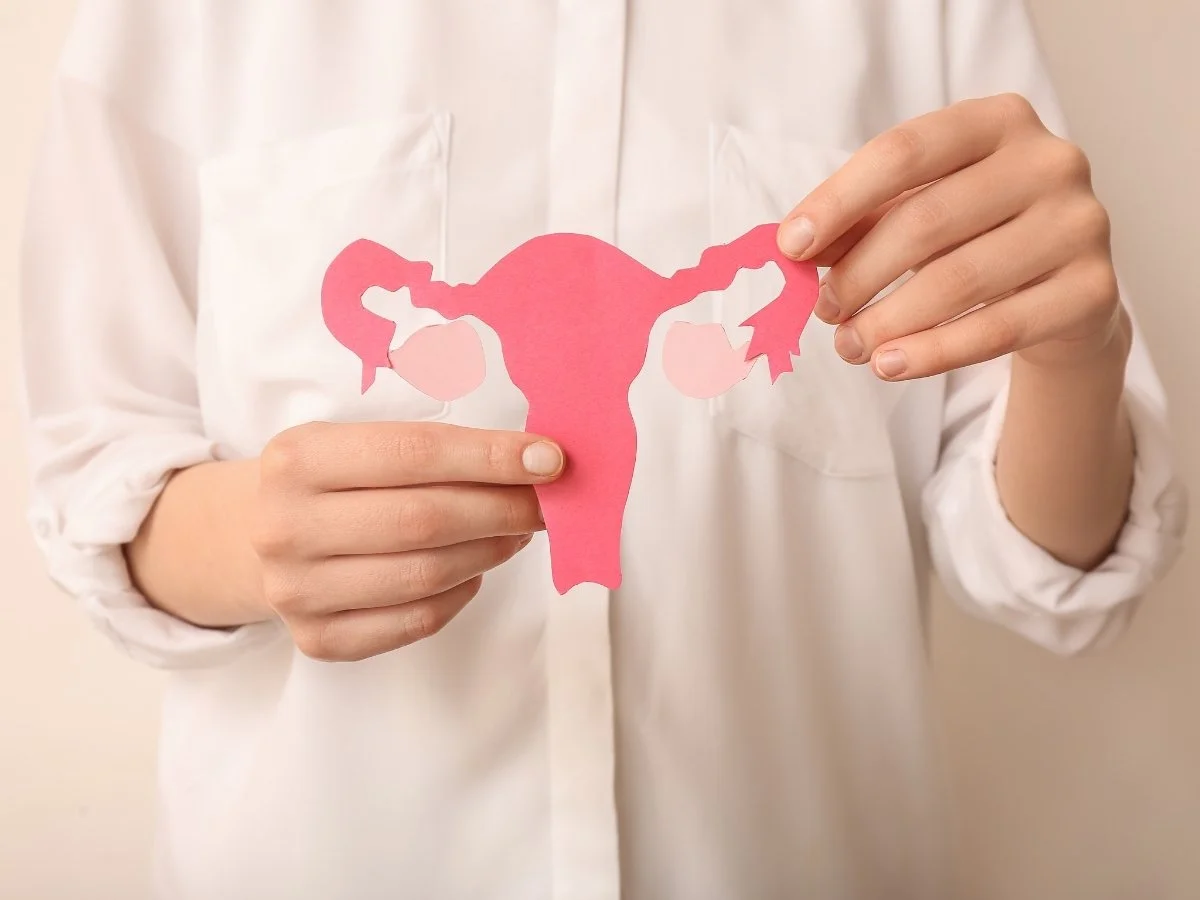
common hormone imbalances
In my practice, I commonly see patterns such as:
Imbalances in estrogen and progesterone impacting menstrual regularity and fertility
Thyroid dysfunction affecting metabolism, energy, and mood
Insulin resistance impacting weight, energy, and blood sugar regulation
Dysregulated cortisol and stress response (often referred to as adrenal dysfunction)
By addressing these core imbalances, the goal is to target root-cause factors of health that will shift hormones, improve symptoms, maintain stability and support long-term hormone health.
My clinical approach focuses on restoring healthy hormonal communication rather than simply masking symptoms.
the patient journey
You can expect collaborative, compassionate care focused on education and empowerment.
Root-Cause Assessment
Your initial consultation includes an in-depth review of symptoms, menstrual history, lifestyle patterns, stress levels, digestion, and previous medical testing.

Evidence-Based Treatment Plan
You’ll receive a personalized hormone support strategy tailored to your physiology and health goals.

Sustainable Results
Follow-up visits allow us to monitor progress, adjust treatment, and optimize long-term hormone balance.

Your Personalized Treatment Plan
Hormone balance requires individualized care — no two hormonal profiles are the same.
Depending on your needs, your plan may include:
Standard lab testing to gather information and patterns
Clinical nutrition guidance that fits your lifestyle
Clear and targeted supplementation plans
Nervous system regulation and stress management tools
Menstrual cycle tracking and education
My goal is sustainable hormone health that supports energy, fertility, mood, and overall wellbeing.
FAQs
-
Absolutely. Every treatment plan is individualized based on your symptoms, health history, lifestyle, and goals.
-
No referral is required. You may book directly or begin with a discovery call to determine whether naturopathic care is the right fit.
-
Yes. Virtual consultations allow you to receive personalized naturopathic care from home.
-
Your first visit includes a comprehensive assessment of symptoms, medical history, lifestyle factors, and previous testing to guide a targeted hormone wellness plan.
-
Appointments can be booked online or through our reception at Advanced Women’s Health. Options include in-person visits in Ancaster or virtual consultations across Ontario, depending on your preference and location.
-
Common signs of hormone imbalance include irregular cycles, PMS symptoms, fatigue, mood changes, acne, sleep disturbances, weight fluctuations, and fertility challenges. Because hormones influence multiple body systems, symptoms often extend beyond reproductive health.
-
Estrogen dominance is a term used to describe symptoms that may occur when estrogen levels are high relative to progesterone. Contributing factors to this pattern can include stress, gut dysfunction, impaired detoxification pathways, or environmental exposures.
-
Yes. Personalized PMS natural remedies focus on addressing inflammation, nutrient deficiencies, hormone metabolism, and nervous system health rather than suppressing symptoms alone.
-
Thyroid naturopath care investigates root contributors such as stress response, nutrient status, immune activity, and digestive health. Treatment directly supports thyroid function while addressing underlying imbalances affecting it, too.
-
Yes. Balancing hormone often improves ovulation, menstrual regularity, metabolic health, mood, and energy levels because multiple hormonal systems are interconnected.

Start Your Journey Toward hormone balance
You don’t need to live with ongoing fatigue, painful cycles, or unexplained symptoms.
With personalized naturopathic care, hormone health can become predictable, balanced, and supportive of your long-term wellbeing.